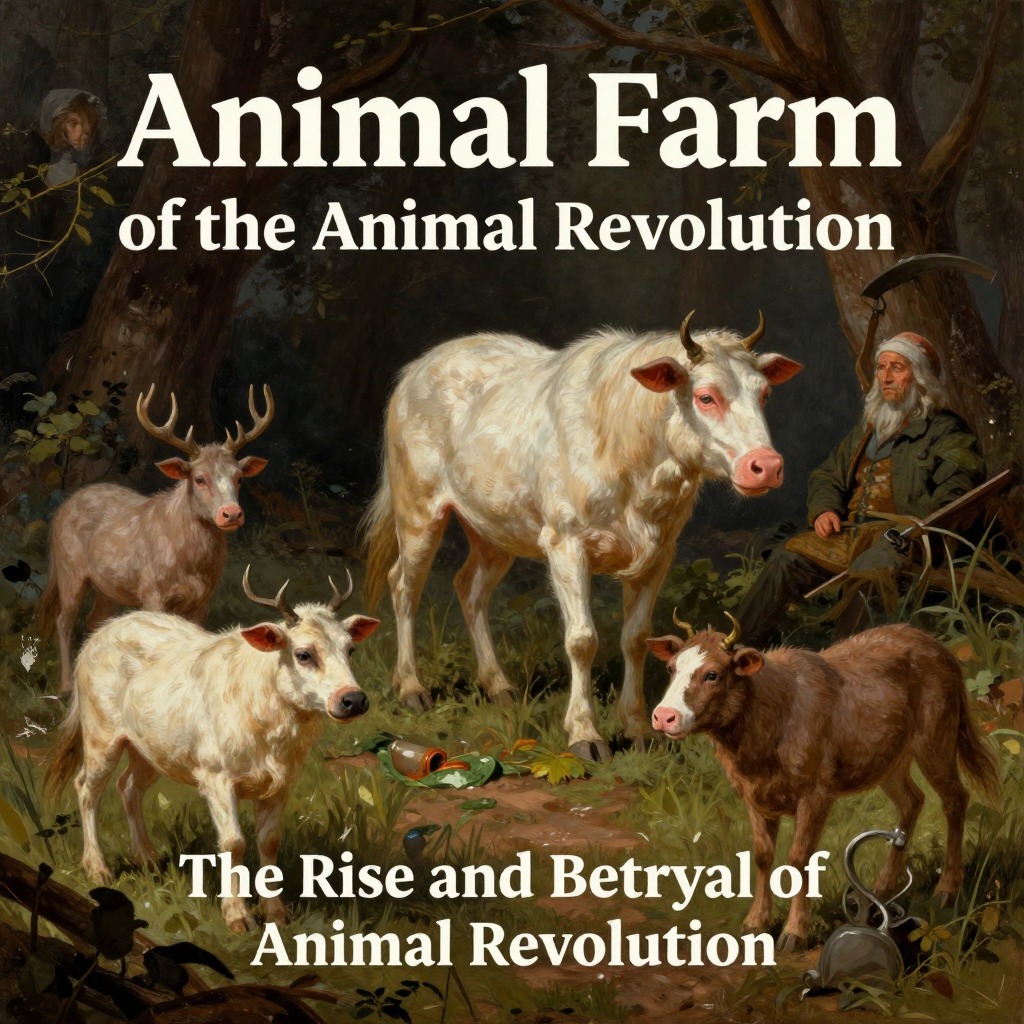
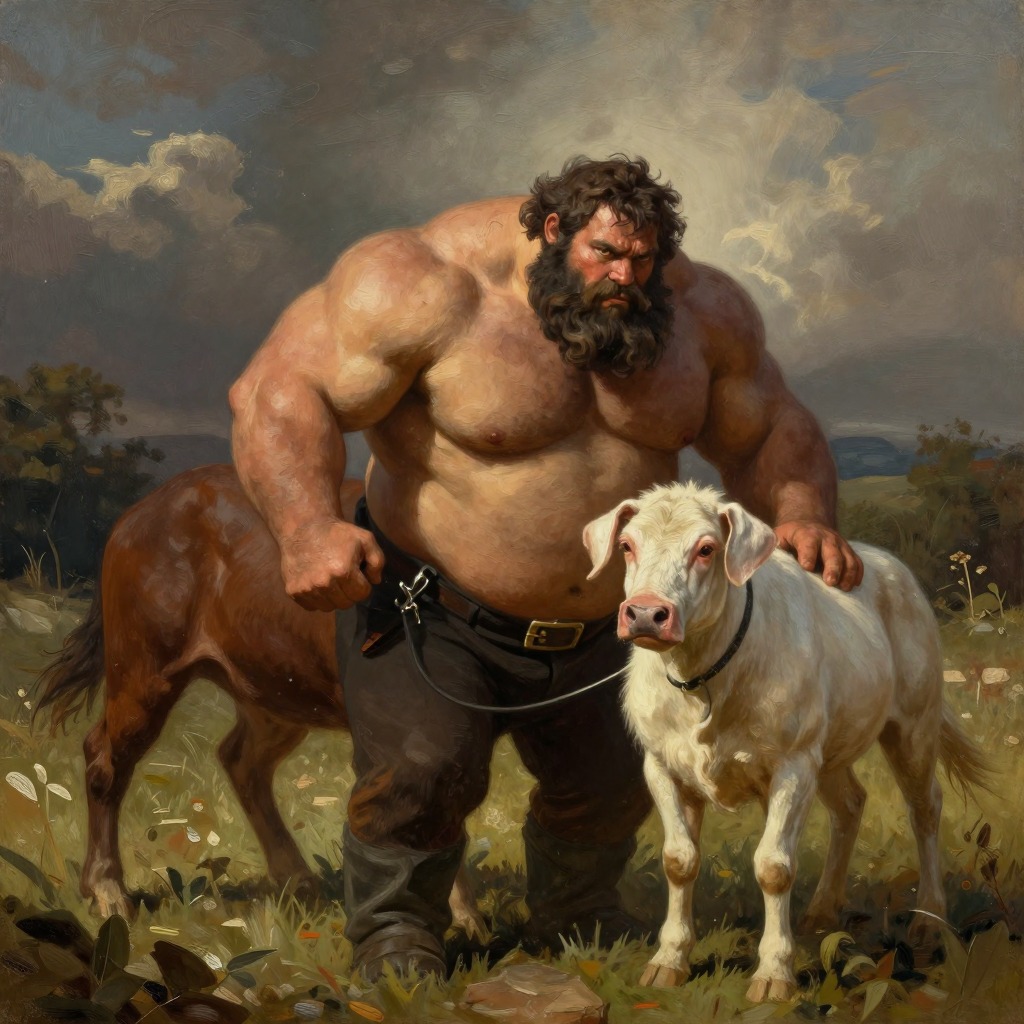
Knacker's van
Animal FarmThe van arrived at midday, while the animals were weeding turnips under the supervision of a pig. Benjamin, normally phlegmatic and never seen to gallop, came racing from the farm buildings, braying at the top of his voice that Boxer was being taken away. The animals broke off work and rushed to the yard, where they found a large closed van drawn by two horses, with a sly-looking man in a low-crowned bowler hat on the driver's seat. Boxer's stall was empty. Benjamin read the lettering on the side of the van: "Alfred Simmonds, Horse Slaughterer and Glue Boiler, Willingdon. Dealer in Hides and Bone-Meal. Kennels Supplied." He declared that they were taking Boxer to the knacker's.
A cry of horror burst from the animals. They followed the van as it moved out of the yard, crying out. Clover forced her way to the front and shouted to Boxer to get out. Boxer's face appeared at a small window at the back, then disappeared; there was a tremendous drumming of hoofs inside as he tried to kick his way out. But his strength had left him, and the sound grew fainter and died away. The animals appealed to the two horses pulling the van, but they only set back their ears and quickened their pace. The van passed through the five-barred gate and rapidly disappeared down the road. Boxer was never seen again.
The Knacker's van embodies the betrayal of the promise that animals would never be slaughtered for human profit. Old Major had warned that the moment a horse's muscles lost their power, Jones would sell him to the knacker. The animals had once destroyed the harness-room knives, whips, and other tools of oppression as symbols of their liberation. But the van, operated by a human business and arranged by the pigs, represented a more efficient, institutionalized form of the same exploitation. The farm had grown richer, yet the working animals remained hungry and expendable, their labor extracted until they broke, then discarded. The deception of the hospital story, the complicity of the pigs, and the animals' helplessness showed that the revolution had produced a new elite that used the same methods as the old human masters.